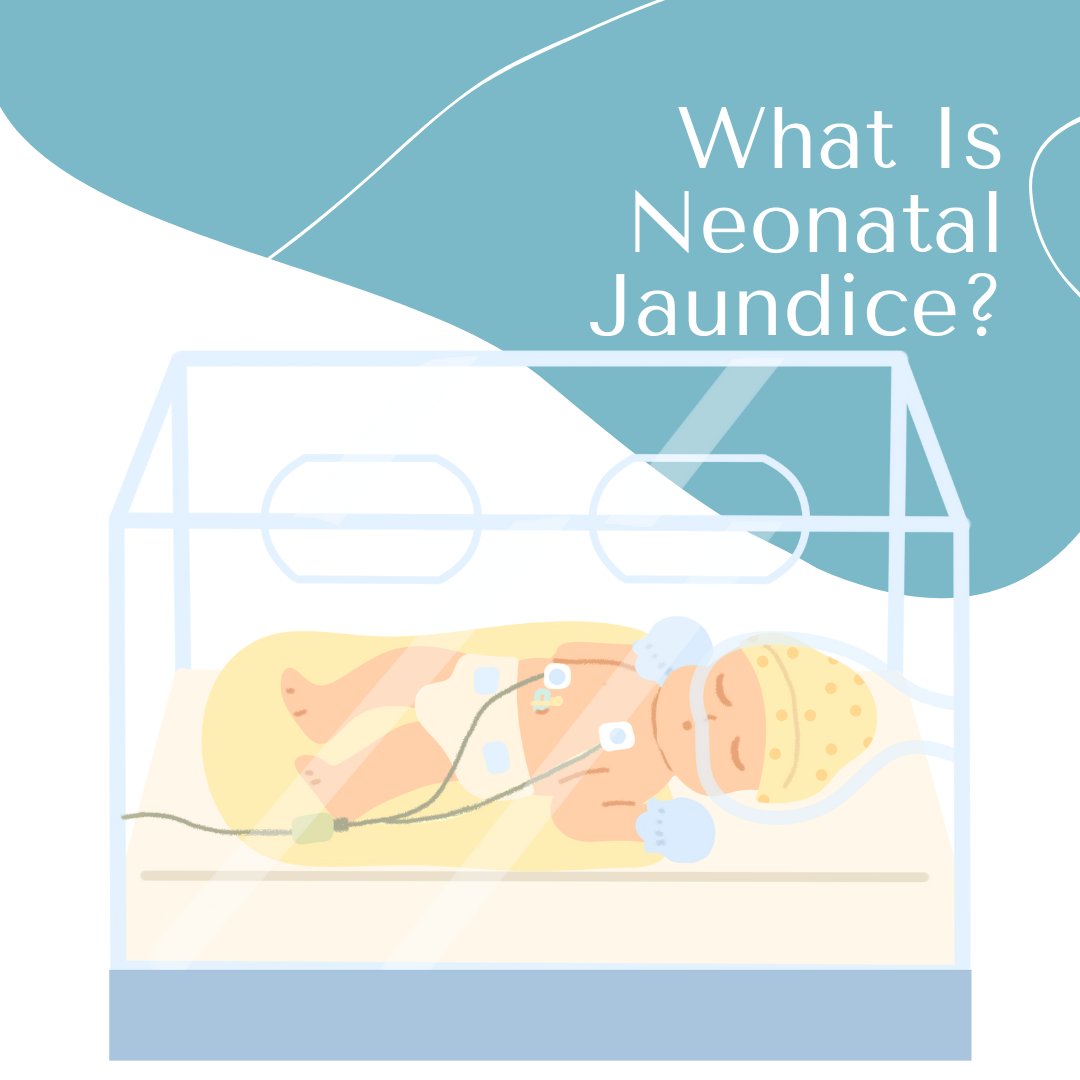
It can be alarming to see your newborn’s skin turn yellow. But don’t panic—neonatal jaundice is very common and often harmless. Understanding when it’s normal and when it’s a cause for concern can help you stay calm and informed.
What Is Neonatal Jaundice?
Jaundice occurs when there is an excess of bilirubin in the blood. Bilirubin is a yellow pigment produced when red blood cells break down. In most newborns, the liver is still maturing and takes a few days to process and eliminate bilirubin effectively.
When Does It Appear?
Neonatal jaundice usually appears between Day 2 and Day 5 after birth and typically resolves within 1 to 2 weeks.
When Should You Worry?
While mild jaundice is normal, the following signs should prompt you to contact your pediatrician:
Yellowing within the first 24 hours of life
Rapid spreading of yellow color to arms, legs, or entire body
Poor feeding or excessive sleepiness
Deep yellow coloration of the whites of the eyes
Jaundice persisting beyond 2 weeks of age
Treatment Options
Mild Jaundice: Often resolves naturally with frequent feeding, which helps flush bilirubin out through urine and stool. Some sunlight exposure (morning sun) may also help.
Moderate to Severe Jaundice: May require phototherapy, where the baby is placed under a special blue light that helps break down bilirubin.
Final Thoughts
Always consult your pediatrician for any concerns about jaundice. Early diagnosis ensures prompt and effective treatment.
4. Mental Prep for Parents
Parenting is a journey filled with joy and challenges. Preparing mentally can be as important as physical preparation:
Accept help from family and friends
Rest whenever possible
Understand that feeling nervous or overwhelmed is normal
Remember, a little planning goes a long way. And if you’re unsure about anything, don’t hesitate to speak to your pediatrician—we’re here to help!
Newsletter
Sign up our newsletter to get update information, news and free insight.